Introduction to the Dietary Sodium Crisis
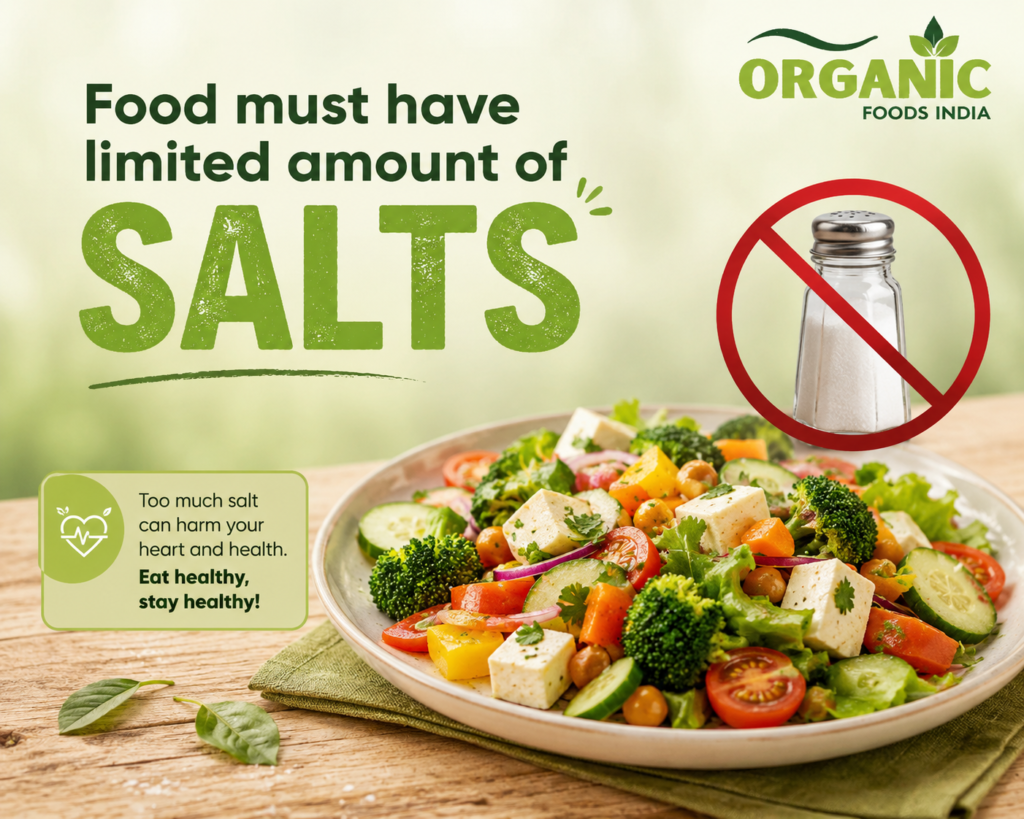
In the contemporary landscape of global public health and nutritional epidemiology. Few mandates are as universally validated as the principle that food must have a limited amount of salt. Salt is an essential part of the human diet, but consuming too much can have negative effects on health. Excessive sodium intake is associated with an increased risk of high blood pressure and cardiovascular disease. For this reason, maintaining sodium intake is an important part of a healthy diet. Choosing fresh, minimally processed foods and limiting foods that are high in sodium can help people manage their daily salt intake. Sodium chloride, while fundamentally essential for maintaining cellular homeostasis, nerve impulse transmission, and extracellular fluid balance, has transitioned from a biological necessity to a primary vector of chronic disease.
To address this crisis, public health frameworks globally and within India are advocating for a drastic transition in how populations source, prepare, and season their food. The underlying philosophy dictates that relying on the intrinsic flavors of high-quality, nutrient-dense, and organically cultivated foods is the most sustainable method for reducing dietary salt. This paradigm shift has elevated the importance of heritage agricultural products, notably Kala Namak Rice. Platforms such as Organic Foods India have emerged as critical facilitators in this public health mission, providing certified organic, chemical-free staples that align seamlessly with modern dietary guidelines.
Why Reducing Salt Intake Matters
Taking in too much salt throws the body’s fluid balance out of gear, leading to an accumulation of sodium and water in the blood and a rise in blood pressure. If this high blood pressure continues over a long period it may damage the blood vessels, cause the arteries to stiffen, make the heart enlarge, and raise the chances of suffering from heart disease, a stroke, and kidney disease. Moreover, food must have a limited amount of salt as it can result in a loss of calcium, weaken the bones, and increase the risk of gastric cancer.
The global average consumption of sodium is approximately 4,278 milligrams a day, which is about 11 grams of salt, more than double the amount recommended by the WHO—less than 2,000 milligrams of sodium, or 5 grams of salt, each day. Salt reduction is a cost-effective public health intervention that reduces healthcare costs and improves productivity.
How Much Salt Do We Actually Need?
Essay in response to the growing health crisis of cardiovascular diseases, the Indian Council of Medical research (ICMR) and the National Institute of Nutrition (NIN) have updated their dietary guidelines, reporting the “Dietary Guidelines for Indians (2024)” .The ICMR-NIN 2024 guidelines emphasize reducing sodium intake, which is in line with the global recommendation that food should not contain excessive amounts of salt. According to the guidelines, the salt intake should not exceed 5 grams per day, which equals 2300 mg of sodium per day. However, the salt consumption patterns in India suggest that the country’s population is far from the recommended daily amount of salt. The study performed by the George Institute for Global Health and including 227214 Indian participants from 29 states showed that the average salt intake in India is 10.98 grams per day, which is 119% of the amount recommended by the WHO and ICMR-NIN.
Cardiovascular disease leads to about 23% of all deaths in India, with high blood pressure as the main cause. Advanced Markov modeling for the Indian population shows that if current salt intake remains the same, the country could see around 8.3 million heart attacks and 830,000 strokes each year among adults aged 40 to 69 over the next thirty years. On the other hand, the same models indicate that if the population reduces salt intake by just 3 grams per day over 30 years. It could prevent 350,000 heart attacks, 48,000 strokes, and 81,000 premature deaths annually. This data highlights the critical need for food to contain limited amounts of salt.
Hidden Sodium in the Indian Diet
One major barrier to public health efforts is the common belief that dietary sodium comes solely from the salt shaker at the table. In truth, the modern Indian diet hides large amounts of sodium in seemingly harmless traditional and packaged foods. Many Western countries, up to 80% of sodium intake comes from ultra-processed packaged products. In India, the problem is compounded by a heavy reliance on traditional preservation methods and the widespread availability of modern, hyper-processed savory snacks. To effectively limit the amount of salt in food, consumers must recognize these hidden sources.
Pickles and Chutneys
Fermented and preserved foods are common in Indian cooking. Pickling usually involves soaking vegetables and fruits in concentrated brines or oil-and-salt mixtures. This process pulls out moisture through osmosis, creating an environment that is not friendly to bacteria. As a result, Indian pickles (achar) contain 15% to 20% pure salt. A single tablespoon of standard mango or mixed vegetable pickle has between 350 and 450 milligrams of sodium. Since many Indian families eat two to three tablespoons of pickle daily with their main meals, these condiments can add up to 1,200 milligrams of sodium. This exceeds more than 50% of the recommended daily limit for an individual. Commercially prepared mint and tamarind chutneys also use salt to preserve them, adding 100 to 280 milligrams of sodium per tablespoon.
Papad
Papads are usually seen as a healthy Indian food and light addition to Indian meals. However, their nutritional value is greatly affected by their high sodium content. Making papads requires a lot of salt to keep their shape and allow for a long shelf life. As a result, 100 grams of papad has about 1,745 milligrams of sodium, which is more than 87% of the daily limit recommended by the WHO. Even a small roasted piece, weighing just 15 grams, contains 262 milligrams of sodium. Public health nutritionists recommend limiting papad intake to one roasted piece per day, especially for people with hypertension heart problems or diabetes.
Packaged Namkeen and Restaurant Food
With the rapid urbanization that has happened in India, there is an increasing trend in consumption of packaged savory snacks known as namkeens. Foods like bhujia, sev, and various mixtures come loaded with salt and artificial flavors. A regular serving of 50 grams of these snacks will have sodium content of 450 to 580 mg. In addition, the restaurant industry is a major and untapped source of sodium in one’s diet. A restaurant serving Dal Makhani has sodium content of about 1,100 milligrams, whereas a Butter Chicken may have between 1,200 to 1,600 milligrams of sodium. Combining all this with the consumption of a packaged snack, pickles and bread in a regular city Indian’s meal, 5,000 mg of sodium intake is not unusual, which is almost 1,000% more than the required amount.
How to Reduce Salt Without Losing Flavor
The successful implementation of the directive that the food should contain only a limited quantity of salts cannot simply be achieved by public campaigns; it requires advanced behavioral and culinary strategies.
Human taste buds accustomed to excessive use of salts feel an initial lack of flavor when the salts are suddenly taken away. The process of overcoming such physiological barriers lies in using natural herbs and spices as well as potassium-enriched salt alternatives in order to deceive the brain’s sensory receptors.
Spice As An Alternative To Salt
Clinical studies have proven that substituting spices for salt is an effective way of reducing sodium consumption. A study carried out by the American Heart Association (AHA) discovered that adults who were taught to use herbs and spices to season their food consumed 966 mg less sodium each day than those in the control group. Those who had a preference for spicy foods consumed approximately 2.5 grams less salt each day and possessed lower blood pressure. It therefore follows that the use of pure spices weighing in stone and pound, together with garlic, citrus acids, and chilies which contain capsaicin, can help in reducing dependence on salt.
Low-Sodium Salt
Along with the spice switching technique, the use of low sodium salt (LSS) is a crucial public health approach. In the case of LSS, the amount of sodium chloride present is partially replaced by potassium chloride, with the quantity ranging from 15% to 30%. Such a chemical substitution helps tackle the hypertension epidemic through two distinct ways. Firstly, it reduces the amount of sodium consumed. Secondly, it increases the consumption of potassium. Potassium is a physiologic antagonist of sodium and facilitates the dilation of blood vessels and removal of sodium through kidneys. According to the WHO and ICMR-NIN guidelines, an increased consumption of potassium up to 3,510 milligrams a day is required to maintain the sodium-to-potassium dietary ratio less than 1:1. The rationale behind such a recommendation is the highly protective effect of the ratio against ischemic strokes and heart attacks.
Kala Namak Rice and Improved Diets
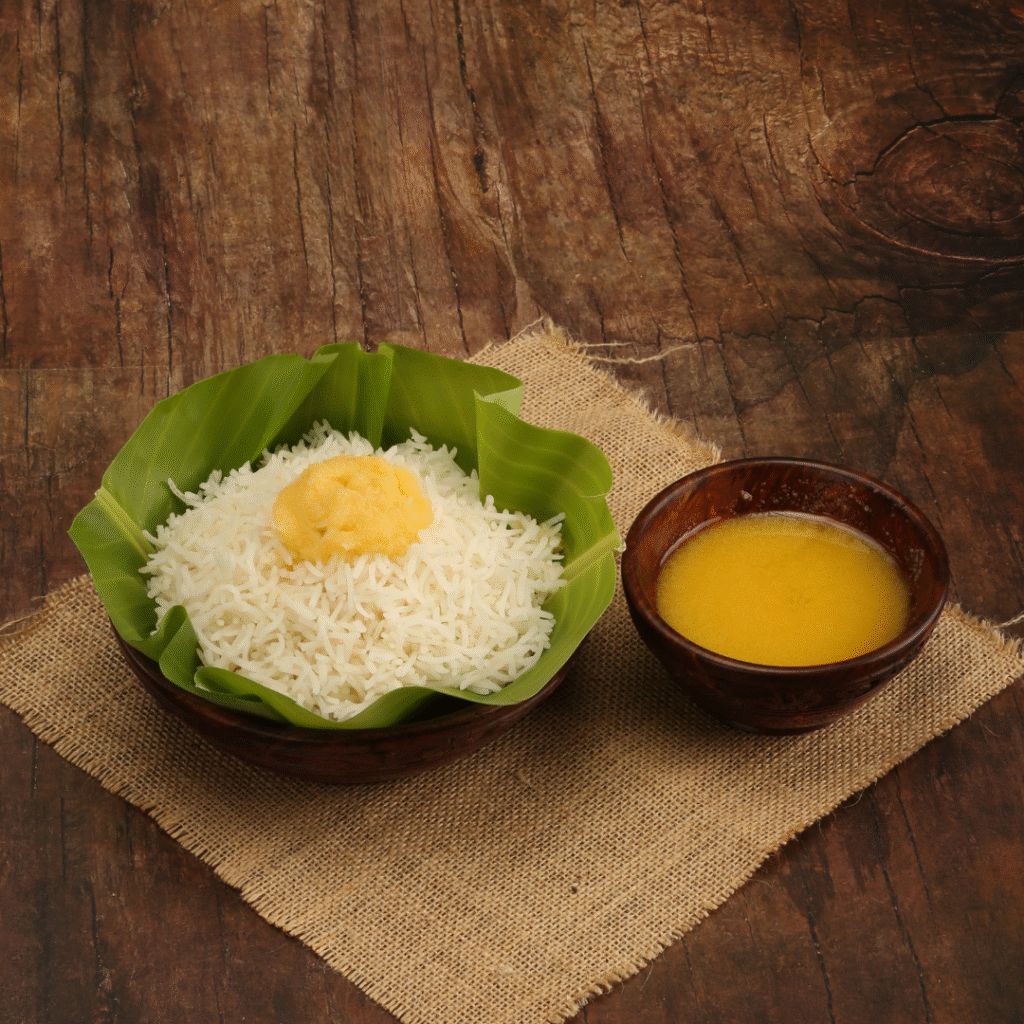
Changing one’s seasoning patterns is very important but the main basis of leading an eating pattern with reduced sodium depends entirely on the intrinsic quality of the main ingredients. If the basic ingredients used to prepare the dishes already have great flavors, then there would be less need for additional salt in the dishes prepared. In relation to Indian agriculture, there is no food better suited to this idea than Kala Namak Rice. The increase in consumption of the grain results from realization by consumers that food should contain only some salts.
Nutritional Benefits of Kala Namak Rice
The fact that the shift to Kala Namak Rice is not due simply to its smell but also to its excellent nutritional value should be noted. It is important to optimize the nutrient content of basic foods when preparing diets where food must have a limited amount of salt. Compared to polished white rice, Kala Namak Rice has a lower glycemic index (ranging from 49 to 73 as compared with about 85), contains approximately 10% protein, and has higher levels of iron and zinc, which help with blood sugar control, a feeling of fullness, hemoglobin production, and immunity.
The dark grain of this rice contains antioxidants including anthocyanins, beta-carotene, and Vitamin E, and these help to protect cells against oxidative damage as well as possibly supporting heart and brain health. Because it has a medium amount of amylose (16–20%) the cooked rice has a soft texture and is easy to digest, so Kala Namak Rice can serve as a nutrient-rich substitute for highly polished white rice on diets that require a low salt intake.
Organic Foods India and Healthier Food Choices
The realization of these public health and culinary goals is highly dependent on the integrity of the agricultural supply chain. As the demand for heritage grains and organic staples has surged, so too has the prevalence of market adulteration and misleading labeling. To guarantee that consumers reap the true physiological benefits of these foods, direct-to-consumer platforms prioritizing extreme transparency and rigorous certification are essential. Organic Foods India, headquartered in Lucknow, Uttar Pradesh, has established itself as an elite, indispensable conduit in this arena. The corporate philosophy of Organic Foods India is intrinsically tied to the national directives of the “Fit India” and “Healthy India” movements. This commitment ensures that the foods reaching the dining table are entirely devoid of synthetic neurotoxins, artificial preservatives, and the excessive hidden sodium found in commercial alternatives.
Choosing Quality Ingredients
Organic Foods India operates on a model of relentless quality control. Their sourcing methodology completely bypasses the opaque networks of industrial middlemen, allowing them to forge direct partnerships with over 250 certified organic farms. The company’s commitment to the “organic” label is scientifically validated. Every single farm partner within their network undergoes rigorous re-verification prior to each harvest season. Furthermore, the company has executed over 12,000 independent laboratory tests on their product batches, ensuring absolute purity and tracing every product back to its exact farm of origin. By demanding that cultivation occurs exclusively via traditional, chemical-free methodologies. They protect the intricate soil microbiome and guarantee that their Kala Namak Rice delivers the exact nutritional and aromatic profile intended by nature.
Conclusion
The scientific consensus is absolute: food must have a limited amount of salt to prevent the cascading physiological damage associated with hypertension, renal strain, and endothelial dysfunction. However, translating this clinical mandate into daily culinary reality requires a profound shift away from the hyper-processed, salt-laden architecture of the modern diet. This necessitates identifying and restricting the hidden sodium vectors omnipresent in traditional Indian condiments—such as heavily brined pickles and high-sodium papads—as well as the salt-saturated offerings of the commercial restaurant and snack industries. More importantly, it requires adopting neurobiologically proven strategies, such as utilizing capsaicin and high-quality aromatic spices, to satisfy the palate’s demand for complexity without resorting to sodium chloride.
By transitioning to intrinsically flavorful, nutritionally dominant staples like Kala Namak Rice, the culinary reliance on added salt is naturally eradicated. When sourced ethically and transparently through dedicated platforms like Organic Foods India, consumers are guaranteed a product that is entirely free from chemical adulteration, preserving both human health and ecological balance.