Are you looking for natural ways to improve digestion, maintain a healthy weight, and support overall wellness? Adding high fiber foods to your daily diet is one of the simplest ways to improve your eating habits. Dietary fiber supports regular bowel movements, feeds beneficial gut bacteria, and may help maintain healthy cholesterol and blood sugar levels.
From oats, lentils, and whole grains to apples, chia seeds, and green vegetables, there are plenty of fiber-rich foods that can easily fit into an Indian diet. You do not need expensive supplements or complicated meal plans to increase your daily fiber intake. Simple changes, such as choosing whole fruits instead of juice and including more pulses in your meals, can make a meaningful difference.
At Organic Foods India, we believe that choosing a variety of wholesome, minimally processed foods can help people build healthier everyday eating habits.
In this guide, you will discover the best high-fiber foods, their health benefits, practical ways to add them to your meals, and answers to common questions about dietary fiber.
What Are High Fiber Foods?
High-fiber foods are foods that contain substantial amounts of dietary fiber, a type of carbohydrate that the human body cannot fully digest. Unlike many other carbohydrates, fiber passes through the digestive system without being completely broken down.
Most dietary fiber comes from plant-based foods, including fruits, vegetables, legumes, nuts, seeds, and whole grains. According to the Harvard T.H. Chan School of Public Health, fiber plays an important role in digestive health and can support healthy blood sugar and cholesterol levels.
There are two commonly discussed types of dietary fiber:
- Soluble fiber: Dissolves in water and forms a gel-like substance. It is found in oats, beans, apples, and some seeds and may help manage cholesterol and blood glucose.
- Insoluble fiber: Helps add bulk to stool and supports regular bowel movements. It is found in whole wheat, vegetables, nuts, and fruit skins.
Both types are beneficial, so eating a variety of fiber-rich foods is generally more useful than relying on just one source.
25 Best High Fiber Foods to Include in Your Diet
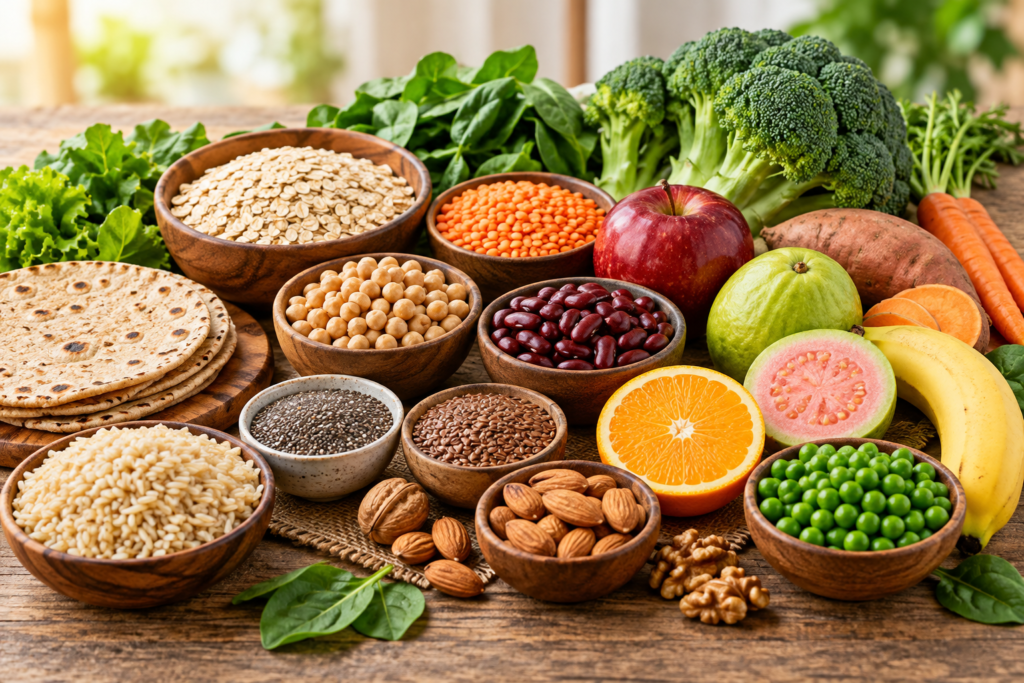
The following foods can help you increase your fiber intake naturally. Exact amounts vary by variety, preparation method, and serving size.
| High-Fiber Food | How to Include It in Your Diet |
|---|---|
| 1. Lentils (dal) | Dal, soups, or khichdi |
| 2. Chickpeas (chana) | Chana curry or salad |
| 3. Kidney beans (rajma) | Rajma with brown rice |
| 4. Black beans | Bean bowls or salads |
| 5. Green peas | Vegetable dishes or soups |
| 6. Oats | Oatmeal or overnight oats |
| 7. Whole wheat | Roti or whole-wheat bread |
| 8. Barley (jau) | Barley porridge or soup |
| 9. Brown rice | Lunch bowls or pulao |
| 10. Millets | Ragi roti or millet porridge |
| 11. Chia seeds | Pudding or smoothies |
| 12. Flaxseeds | Ground flaxseed in porridge |
| 13. Almonds | A small handful as a snack |
| 14. Walnuts | Add to oats or salads |
| 15. Apples | Eat whole, preferably with the skin |
| 16. Pears | Fresh fruit or fruit bowls |
| 17. Guava | Fresh, washed guava |
| 18. Raspberries | Oatmeal or yogurt toppings |
| 19. Bananas | Breakfast or smoothies |
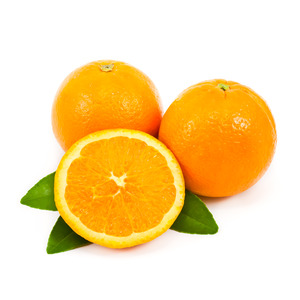
| 20. Oranges | Eat the whole fruit |
| 21. Carrots | Raw sticks or cooked vegetables |
| 22. Broccoli | Steamed or stir-fried |
| 23. Spinach | Saag, dal, or vegetable dishes |
| 24. Sweet potatoes | Baked or boiled |
| 25. Potatoes with skin | Boiled or baked potatoes |
Legumes, whole grains, seeds, vegetables, and whole fruits are particularly useful because they provide fiber alongside other nutrients. The Harvard Health guide to fiber-rich foods provides additional examples and reference serving sizes.
Health Benefits of Eating Fiber-Rich Foods
A diet containing enough fiber can support several aspects of health. However, benefits depend on your overall diet, activity levels, health conditions, and eating habits.
1. Supports Better Digestion
One of the best-known benefits of high fiber foods is their role in digestive health. Insoluble fiber adds bulk to stool, while certain soluble fibers help retain water. Together, they can support more regular bowel movements and help reduce constipation.
Foods such as whole wheat, lentils, vegetables, oats, and fruit can contribute to your daily fiber intake. Drinking enough water is also important, especially when increasing fiber consumption.
2. Helps Maintain a Healthy Weight
Fiber-rich foods often take longer to eat and can help you feel full for longer. Beans, oats, vegetables, and whole fruits can make meals more satisfying, which may help you manage overall calorie intake.
For people exploring high fiber foods for weight loss, the best approach is to combine these foods with balanced meals, appropriate portions, physical activity, and adequate sleep. No individual food guarantees weight loss.
3. Supports Heart Health
Certain soluble fibers can help reduce LDL cholesterol, often called bad cholesterol. Eating more whole grains, legumes, fruits, and vegetables as part of a balanced diet is also associated with better cardiovascular health.
The Harvard Nutrition Source explanation of dietary fiber discusses the evidence connecting fiber intake with cholesterol management and heart health.
4. Helps Support Healthy Blood Sugar Levels
Some types of soluble fiber slow digestion and the absorption of carbohydrates, potentially reducing sharp rises in blood glucose after meals.
Oats, beans, lentils, and other fiber-rich plant foods can be useful components of a balanced eating pattern. People with diabetes should still consider total carbohydrate intake, portion sizes, and their individual medical advice.
5. Nourishes Beneficial Gut Bacteria
Certain dietary fibers act as prebiotics, providing nourishment for beneficial microorganisms in the gut. These microorganisms can ferment some fibers and produce short-chain fatty acids that contribute to intestinal health.
Eating a diverse range of plant foods is a practical way to obtain different types of fiber. For this reason, include several fruits, vegetables, pulses, seeds, and whole grains rather than depending on one food every day.
How Much Fiber Do You Need Every Day?
Your daily fiber requirement depends on factors such as age, sex, energy intake, and dietary guidance. Harvard Health describes a general target of approximately 14 grams of fiber per 1,000 calories consumed, which works out to around 28–34 grams for many adult men.
For Indian readers, the ICMR–National Institute of Nutrition Dietary Guidelines for Indians, 2024 are a useful reference for building a balanced diet that includes whole grains, pulses, vegetables, and fruits.
Rather than focusing exclusively on a single number, aim to include fiber-rich foods throughout the day. Your precise requirement may differ depending on your individual needs.
High Fiber Foods for an Indian Diet
You can increase your fiber intake without changing your traditional eating habits. Many everyday Indian foods are naturally rich in fiber.
1. Dal, Chana, and Rajma
Pulses are excellent sources of dietary fiber and plant-based protein. Include moong dal, masoor dal, kala chana, or rajma in lunch and dinner. Pair them with vegetables and whole grains for a more balanced meal.
2. Whole Wheat and Millets
Choose whole-wheat roti, ragi, jowar, bajra, and other minimally processed grains more often. The ICMR–NIN dietary guidelines encourage consuming a substantial share of cereals and grains as whole grains.
3. Guava, Apples, and Pears
Whole fruits are convenient high-fiber snacks. Wash them thoroughly and eat edible skins when appropriate. Whole fruit generally provides more fiber than strained juice.
4. Chia Seeds, Flaxseeds, and Nuts
Add a small amount of chia seeds or ground flaxseeds to oats, curd, or smoothies. Nuts also provide healthy fats and other nutrients. Increase portions gradually because seeds and nuts are energy-dense.
These foods are widely available and can be included in everyday meals without requiring a specialized diet. Explore Organic Foods India for additional ideas for incorporating wholesome foods into your routine.
A Simple High-Fiber Diet Plan for One Day
Here is an example of how to spread fiber-rich foods across an ordinary Indian day.
| Meal | Suggested Foods |
|---|---|
| Early morning | Water and a whole fruit, such as an apple |
| Breakfast | Oats with banana and a small portion of chia seeds |
| Mid-morning | Guava or another seasonal fruit |
| Lunch | Whole-wheat roti, dal, sabzi, and salad |
| Evening snack | A small handful of almonds or roasted chana |
| Dinner | Rajma or mixed dal with vegetables and brown rice |
| Optional addition | Cooked vegetables or fruit, depending on hunger and dietary needs |
This is a general example, not a prescribed meal plan. Fiber intake will vary with the portions used, and the plan should be adjusted to individual energy needs, allergies, medical conditions, and food preferences.
How to Increase Fiber Intake Safely
Eating more fiber is beneficial, but suddenly making a large dietary change can cause gas, bloating, or abdominal discomfort. Follow these practical tips:
- Increase fiber gradually: Add one or two fiber-rich foods at a time and let your digestive system adjust.
- Drink enough water: Adequate fluids help fiber work effectively and support regular bowel movements.
- Choose whole fruit: Eat an orange, apple, or pear rather than relying entirely on juice.
- Replace refined grains: Try whole-wheat roti, oats, barley, or millets more frequently instead of relying only on refined grains.
- Include pulses regularly: Add dal, beans, chickpeas, or peas to your meals.
- Read food labels: Compare fiber per serving and check the ingredient list when choosing packaged foods.
- Eat a variety of plants: Different foods provide different types of fiber and other essential nutrients.
The Harvard Health guide to increasing fiber in your diet offers additional practical advice on gradually adding fiber to meals.
If you have a digestive disorder, persistent abdominal symptoms, or a medical condition requiring a modified diet, consult a qualified healthcare professional before making a substantial change.
Frequently Asked Questions About High Fiber Foods
1. What Are the Best High Fiber Foods for Daily Consumption?
Lentils, chickpeas, oats, whole-wheat products, chia seeds, guava, apples, pears, broccoli, and green peas are good options. Eating a variety of these foods helps you obtain different types of dietary fiber.
2. Which Indian Foods Are Rich in Fiber?
Common Indian fiber-rich foods include dal, kala chana, rajma, whole-wheat roti, bajra, jowar, guava, green peas, and vegetables. Including pulses, whole grains, and vegetables in everyday meals is an easy starting point.
3. Do High Fiber Foods Help with Constipation?
Yes. Fiber can help prevent or relieve constipation by adding bulk to stool or helping it retain water. Adequate fluid intake is also important. Persistent constipation should be discussed with a healthcare professional.
4. Which High Fiber Foods Are Good for Weight Loss?
Oats, beans, lentils, vegetables, whole fruits, and whole grains can help you feel satisfied after meals. They may support weight management when combined with an appropriate overall calorie intake and regular physical activity.
5. Are Bananas High in Fiber?
Bananas contain dietary fiber and can contribute to your daily intake. Their fiber content varies with size and ripeness. Pairing a banana with oats, nuts, or seeds can make a more varied breakfast.
6. Can I Eat High Fiber Foods Every Day?
Yes. Most people can benefit from eating fiber-rich foods daily as part of a balanced diet. Increase intake gradually, drink adequate fluids, and follow any dietary restrictions recommended by your healthcare professional.
7. What Happens If I Eat Too Much Fiber?
Increasing fiber too quickly or consuming large amounts beyond your tolerance can cause gas, bloating, cramps, or changes in bowel habits. Gradually increase portions and maintain adequate hydration.
Conclusion: Make High Fiber Foods Part of Your Everyday Diet
Adding high fiber foods to your diet is a practical step toward better digestion, regular bowel movements, and overall health. From dal, rajma, and whole-wheat roti to oats, guava, chia seeds, and green vegetables, there are many affordable options that fit naturally into Indian meals.
The key is consistency and variety. Instead of relying on a single superfood, aim to include fruits, vegetables, pulses, seeds, and whole grains throughout the day. Increase your intake gradually, drink enough water, and choose minimally processed foods more often.
At Organic Foods India, we encourage readers to explore wholesome food choices and develop sustainable eating habits that support long-term wellness. A few simple changes to your daily meals can be a useful starting point for a more fiber-rich lifestyle.
Medical Disclaimer: This article is for general educational purposes and is not a substitute for individualized medical or nutritional advice.