Vitamin B12 is an essential nutrient that your body needs for healthy red blood cells, normal nerve function, and DNA production. It is naturally found mainly in animal-based foods, while some plant-based products contain B12 because they have been fortified. According to the NIH Office of Dietary Supplements’ Vitamin B12 Fact Sheet, adults generally need 2.4 mcg of vitamin B12 per day.
If you’re looking for the best vitamin B12 foods, adding a variety of fish, meat, eggs, dairy products, and fortified foods to your diet can help you meet your nutritional needs.
What Is Vitamin B12?
Vitamin B12, also known as cobalamin, is a water-soluble vitamin involved in several important processes in the body. It helps maintain healthy blood and nerve cells and plays a role in making DNA.
The NIH Office of Dietary Supplements explains that vitamin B12 is required for normal nervous-system function, healthy red blood-cell formation, and DNA synthesis.
Vitamin B12 is naturally present in foods such as fish, meat, poultry, eggs, milk, and other dairy products. Plant foods generally don’t naturally contain B12 unless the product has been fortified.
15 Best Vitamin B12 Foods
1. Beef Liver
Beef liver is one of the richest natural sources of vitamin B12. According to the NIH vitamin B12 food table, 3 ounces of cooked beef liver provide approximately 70.7 mcg of vitamin B12.
Because the amount is so high, even a relatively small serving can provide considerably more than the daily requirement.
2. Clams
Clams are another exceptionally rich source of vitamin B12. Three ounces of cooked clams provide approximately 17 mcg of B12, according to the NIH Office of Dietary Supplements.
For people who eat seafood, shellfish can be an effective way to increase B12 intake.
3. Oysters
Oysters are also naturally rich in vitamin B12. The NIH lists approximately 14.9 mcg of B12 in a 3-ounce serving of cooked eastern oysters.
The NIH vitamin B12 fact sheet identifies clams, oysters, and beef liver among the richest food sources of vitamin B12.
4. Salmon
Salmon is a practical B12-rich seafood option. Three ounces of cooked Atlantic salmon provide around 2.6 mcg of vitamin B12.
You can include salmon in grilled meals, salads, rice dishes, sandwiches, or other recipes for an easy combination of protein and nutrients.
5. Tuna
Canned light tuna provides approximately 2.5 mcg of vitamin B12 per 3-ounce serving, according to the NIH vitamin B12 food sources guide.
Because canned tuna is convenient and requires little preparation, it can be an easy option for people looking to include more B12-containing foods in their meals.
6. Beef
Beef is another natural source of vitamin B12. The NIH lists approximately 2.4 mcg of B12 in 3 ounces of cooked ground beef.
It can be included in a variety of meals, including curries, grilled dishes, burgers, and other recipes.
7. Milk
Milk provides vitamin B12 along with other essential nutrients. According to the NIH Office of Dietary Supplements, one cup of 2% milk contains approximately 1.3 mcg of vitamin B12.
Milk can be consumed on its own or added to smoothies, oatmeal, tea, coffee, and a variety of other foods.
8. Yogurt
Yogurt can also contribute to your daily vitamin B12 intake. Six ounces of plain fat-free yogurt provide approximately 1 mcg of B12.
The NHS vitamin B12 guidance lists milk and other dairy products among good dietary sources of vitamin B12.
9. Eggs
Eggs are a convenient source of vitamin B12 for people who include them in their diet. One large cooked egg provides approximately 0.5 mcg.
Eggs can easily be incorporated into breakfast, salads, sandwiches, wraps, and other meals.
10. Cheese
Cheese contains smaller amounts of vitamin B12 but can still contribute to your overall intake. The NIH lists approximately 0.5 mcg of B12 in 1½ ounces of cheddar cheese.
The exact amount varies depending on the type of cheese, so checking the nutrition label can provide more precise information.
11. Fortified Breakfast Cereals
Fortified breakfast cereals can be particularly useful for people who don’t regularly consume meat, fish, eggs, or dairy products.
According to the NIH Office of Dietary Supplements, some breakfast cereals are fortified with vitamin B12 during manufacturing, making them a convenient source of this nutrient.
Because the amount of vitamin B12 can vary between brands and products, always check the Nutrition Facts label to determine how much B12 a serving provides.
12. Fortified Nutritional Yeast
Nutritional yeast can be a useful vitamin B12 food for vegetarians and vegans when it is fortified.
The NIH reports that some fortified nutritional yeast products provide significant amounts of vitamin B12, but the quantity varies considerably between brands.
The important point is to look for “vitamin B12” or “fortified with B12” on the product label rather than assuming all nutritional yeast contains B12.
13. Turkey
Turkey contains vitamin B12 and can contribute to your overall intake. According to the NIH food table, 3 ounces of roasted turkey breast provide approximately 0.3 mcg of vitamin B12.
Although this is less than the amount found in liver or shellfish, turkey can still form part of a varied diet.
14. Fortified Soy Foods
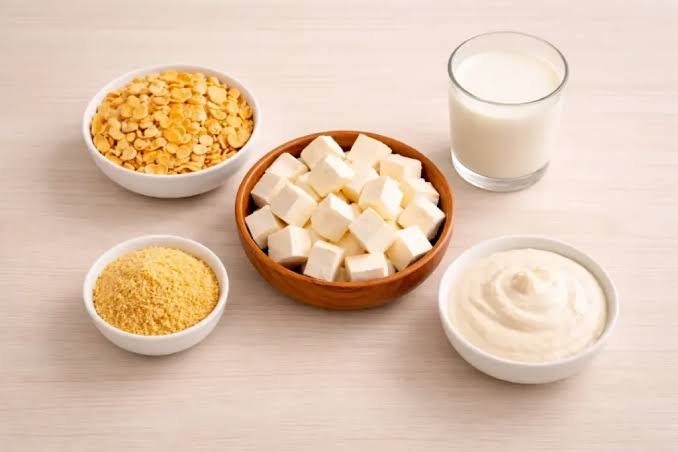
Some soy-based foods are fortified with vitamin B12. This can make them particularly useful for people who limit or avoid animal products.
The NHS guidance on vitamin B12 treatment and diet lists fortified soy products among potential B12 sources for vegetarians and vegans.
Always check the packaging because not every soy product contains added B12.
15. Fortified Plant-Based Milk
Some plant-based milk alternatives, including certain soy, almond, and oat drinks, are fortified with vitamin B12.
According to the NHS vitamin B12 guidance, fortified non-dairy milks can be a source of B12. However, fortification varies by product, so checking the nutrition label is important.
Vitamin B12 Foods for Vegetarians
Vegetarians can obtain vitamin B12 from foods such as eggs, milk, yogurt, and cheese if these foods are part of their diet.
Fortified foods can provide additional options. The NHS vitamin B12 guidance recommends checking fortified foods such as breakfast cereals and certain soy products for their B12 content.
This is particularly important for people whose diets contain little or no meat or fish.
Vitamin B12 Foods for Vegans
Getting enough B12 requires more planning for people following a vegan diet because vitamin B12 is not naturally present in ordinary plant foods.
The research explains that plant foods do not naturally contain vitamin B12 unless they are fortified.
Potential sources include:
- Fortified nutritional yeast
- Fortified breakfast cereals
- Fortified plant-based milk
- Fortified soy products
- Vitamin B12 supplements when appropriate
The NHS guidance on vitamin B12 deficiency also notes that people following a vegan diet without B12 supplements or fortified foods can be at risk of deficiency.
How Much Vitamin B12 Do You Need?
For adults, the NIH recommends approximately 2.4 mcg of vitamin B12 per day. The recommendation increases to 2.6 mcg during pregnancy and 2.8 mcg while breastfeeding.
For an India-specific reference, the ICMR-National Institute of Nutrition Dietary Guidelines for Indians provides dietary recommendations and nutrient guidance for the Indian population.
Because recommendations can differ depending on age and life stage, it’s useful to consider your individual nutritional requirements rather than relying on a single number.
Do Fruits and Vegetables Contain Vitamin B12?
This is one of the most common questions about vitamin B12 foods.
Most fruits and vegetables do not naturally contain vitamin B12. According to the NIH Office of Dietary Supplements, vitamin B12 is naturally present in animal-based foods, while some plant-based products contain B12 because they have been fortified.
Therefore, foods such as bananas, spinach, beans, and most other fruits and vegetables should not be considered reliable natural sources of vitamin B12.
Can You Get Enough Vitamin B12 From Food?
Many people can obtain enough B12 through a varied diet that includes foods such as meat, fish, eggs, and dairy products.
However, dietary intake isn’t the only factor that affects B12 status. Some people have difficulty absorbing vitamin B12 even when they consume B12-containing foods.
The NHS information on vitamin B12 deficiency explains that certain medical conditions and medicines can affect B12 absorption.
If you suspect a deficiency, it’s better to discuss testing and treatment with a qualified healthcare professional instead of relying solely on dietary changes.
Frequently Asked Questions About Vitamin B12 Foods
What food is highest in vitamin B12?
Among the foods listed by the NIH, beef liver is one of the richest sources, providing approximately 70.7 mcg per 3-ounce cooked serving. Clams and oysters are also particularly rich sources.
Which vitamin B12 foods are best for vegetarians?
Eggs and dairy products such as milk, yogurt, and cheese can provide B12 for vegetarians who consume these foods. Fortified foods can provide additional sources.
Which vitamin B12 foods are suitable for vegans?
Fortified nutritional yeast, fortified cereals, fortified plant-based milk, and fortified soy products can provide B12. Check the product label because not all plant-based foods are fortified.
Do bananas contain vitamin B12?
No. Bananas do not naturally provide vitamin B12. The NIH food table lists a medium banana as containing 0 mcg of B12.
Can vitamin B12 foods prevent deficiency?
A balanced diet can help provide adequate B12, but deficiency can also result from problems with absorption or certain health conditions. Anyone concerned about deficiency should speak with a healthcare professional.
Final Thoughts
Adding a variety of vitamin B12 foods to your diet is a practical way to support adequate B12 intake. Fish, meat, eggs, milk, yogurt, and cheese provide naturally occurring B12, while fortified cereals, nutritional yeast, soy products, and plant-based milks can provide options for people who consume fewer animal foods.
The key is to choose foods that fit your dietary pattern and check nutrition labels when relying on fortified products. For people following vegetarian or vegan diets, paying particular attention to reliable B12 sources is important.
For evidence-based nutrition information, the NIH Office of Dietary Supplements, NHS vitamin B12 guidance, and ICMR-National Institute of Nutrition are useful authoritative resources.