Buying good food is one thing. Keeping it good once the packet’s open? That’s the other half of the job—and honestly, it’s the part people feel every day.
Nuts, dried fruit, seeds, granola, snacks, baking stuff, powders… you rarely finish them in one sitting. They sit in the cupboard for days. So the package can’t just quit after that first tear. It’s still on duty. Still keeping the food fresh. Still keeping the mess contained.
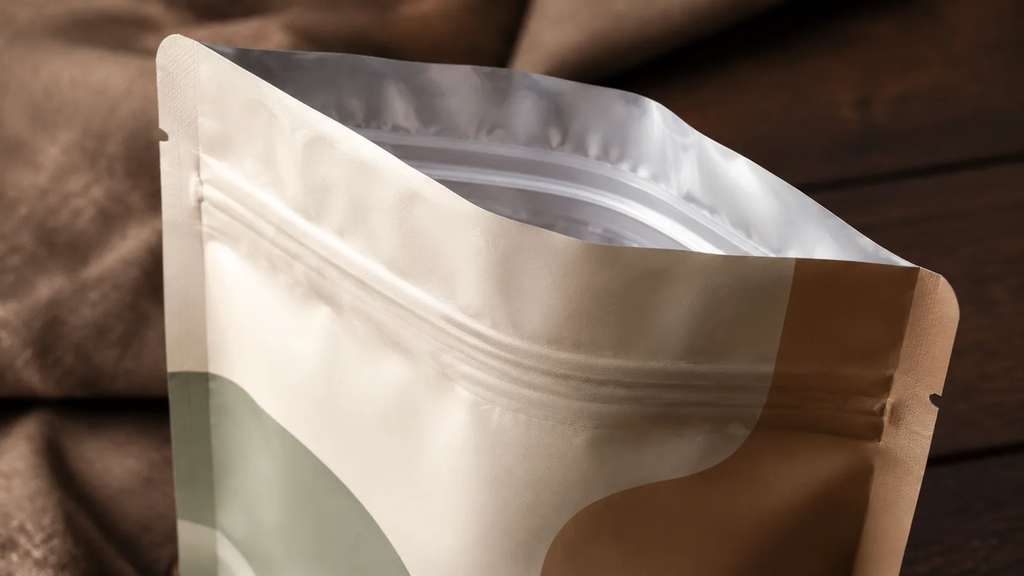
Therefore, resealable stand-up pouches have found a useful place in food packaging. A flexible pouch has a zipper closure at the top and a base that allows it to stand upright. Those two features can make people store their food much easier.
The Real Test Starts After Opening
url: what-happen-after-resealable-pouch-opened-mbpak
alt: What Happen After Resealable Pouch Opened MBPAK
Most packaging is great—right up until you open it. After that, it kind of clocks out. Now you’re the one rummaging for a clip, a jar, some random container, anything to keep the rest of the food from spilling everywhere. A resealable pouch saves you that little headache.
Picture a bag of almonds or dried mango. Open it, take what you want, press the zipper shut, and put it back on the shelf. It doesn’t become a throwaway bag the second you tear it open. It stays on duty. Still useful. Still doing its job.
Yeah, it’s a small thing. But if you buy the same snack again and again, you notice.
Dry Foods Are a Natural Fit
Some foods just don’t get eaten in one go. You know how it goes—nuts, roasted snacks, trail mix, dried fruit. Grab a handful, then back in the cupboard. Same with seeds, granola, plenty of pantry stuff. A household might open the same pack four or five times a week. And every time, the package has to keep doing its job.
That’s where resealable packaging really earns its keep. The more you open it, the more you want a closure that won’t quit on you.
And it’s cleaner, too. A zipper gives you one obvious spot to seal the bag. No folding, rolling, and just hoping it stays shut.
Standing Upright Is More Useful Than It Sounds
Stand-up pouches aren’t just a little shelf-display trick. A pouch that can stand on its own is easier to park in a cupboard, drop into a pantry basket, or fit into a kitchen cabinet. It’s easier to spot, too—unlike some flat bag that’s already collapsed and buried itself behind everything else.
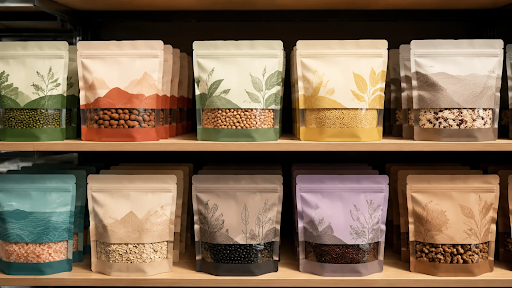
And that matters when you’re storing a bunch of food together. Picture a shelf holding cashews, raisins, seeds, snacks. Flat bags slump into the gaps and basically disappear. Stand-up pouches hold their ground. You can organize them, grab one, and put it back without a fight.
Convenience Affects the Way a Product Feels
Packaging won’t change what’s inside the bag. But it absolutely changes how people feel about what’s inside.
A package that rips in the wrong spot, spills too easily, or turns into a pain to store? It can make even a great product feel cheap. One that opens clean and stays easy to handle? That feels like someone actually thought it through.
And for organic and premium foods, this matters even more. People are already watching ingredients, sourcing, how it’s processed. They expect the experience in the kitchen to hold up its end too.
Not Every Pouch Is the Same
url: resealable-pouch-package-nuts-mbpak
alt: Resealable Pouch Package Nuts MBPAK
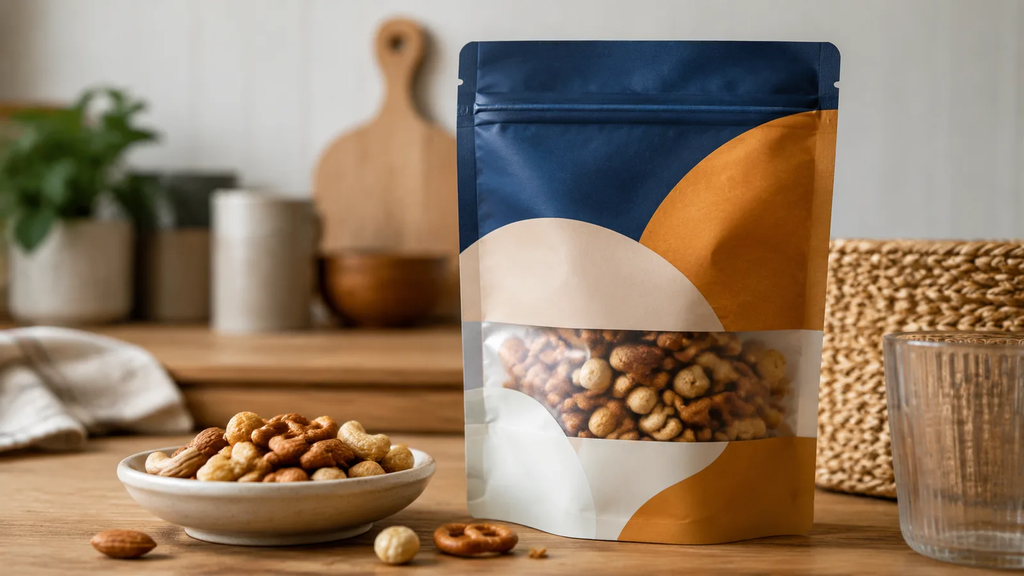
Calling something a “resealable pouch” does not guarantee that it will perform well.
The zipper has to keep working—not just on day one, but after you’ve opened that bag again and again. The pouch material matters too. A dry snack, a powder, something that hates moisture—each one asks for different protection. And don’t forget the seals. A smooth zipper can’t make up for weak construction somewhere else.
So for brands, start with the food. The right package is the one that fits the product, how long it needs to last, and how people will actually use it in real life.
Think About the Customer’s Routine
A useful question for any food brand is simple: how will the package actually be used?
Will the customer finish the contents in one day, or keep the product for two weeks? Will the pouch stay in a cupboard, travel to work or be carried in a shopping bag? Will people take small portions several times a day?
These everyday habits can tell a brand more than a packaging catalogue.
Good packaging follows the eating habit rather than forcing customers to adapt to it.
There Is Also a Sustainability Question
Packaging discussions often focus on labels such as recyclable, compostable or plastic-free. Those labels can be useful, but they do not tell the entire story.
The environmental side of a package also depends on how much material is used, how efficiently it is transported, how well it protects the food and what happens after disposal.
For food products, protection matters because damaged or spoiled food becomes waste too.
That does not make a stand-up pouch automatically sustainable. It simply means the packaging decision should consider the complete use cycle rather than one attractive claim on the front.
A lighter package that uses material efficiently and protects the product well may make more sense than a heavier format with unnecessary components.
Why Food Brands Keep Coming Back to the Pouch
url: resealable-pouch-package-mbpak
alt: Resealable Pouch Package MBPAK
There is a commercial reason, too.
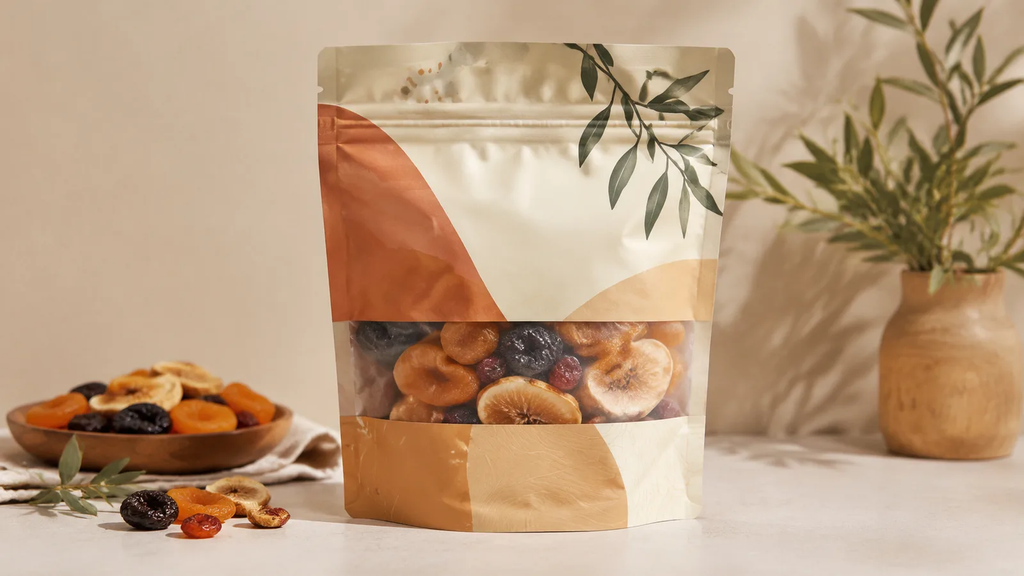
Stand-up pouches provide a broad front surface for branding and product information, while the upright shape presents neatly in retail settings. The same basic format can also be adapted to different sizes, flavours and product types.
For a brand selling nuts, dried fruit, snacks or pantry foods, that consistency can be useful. Customers can recognise the product family while still seeing clear differences between varieties.
More importantly, the packaging continues to serve a purpose after the purchase. The shelf presentation may attract attention, while the resealable closure earns its value at home.
What Should Buyers Check?
For shoppers, the important details are fairly easy to spot. The zipper should open and close without a struggle. The pouch should stand securely. The opening should be wide enough to access the contents without making a mess.
Food brands have a longer checklist. They need to consider material structure, sealing performance, pouch size, filling requirements, transport and storage. A sample should be tested with the real product, not just inspected while empty.
Open it several times. Reseal it. Store it upright and on its side. Carry it around as a customer might. Small problems become obvious when the package is used this way.
The Best Packaging Is Easy to Live With
The appeal of resealable stand-up pouches is not really about having a fashionable package.
It is about making the package useful for longer.
For organic foods and other pantry products, customers may live with the same pouch for days or weeks. A format that is easy to open, close, store and carry fits naturally into that routine.
That is why resealable pouches are a practical choice for nuts, dried fruit, snacks, seeds and many powdered foods.
The smartest packaging change is not always a dramatic one. Sometimes it is simply making the food package easier to use after the first opening.